These two fees appear on the same invoice, they are both charged by the carrier, and they are both caused by time overruns at the port. Operationally, though, they are driven by completely different failures, they occur in different physical locations, and the window to prevent or dispute each one is different. Treating them as one problem means you are always fixing the wrong thing.
The Core Definitions
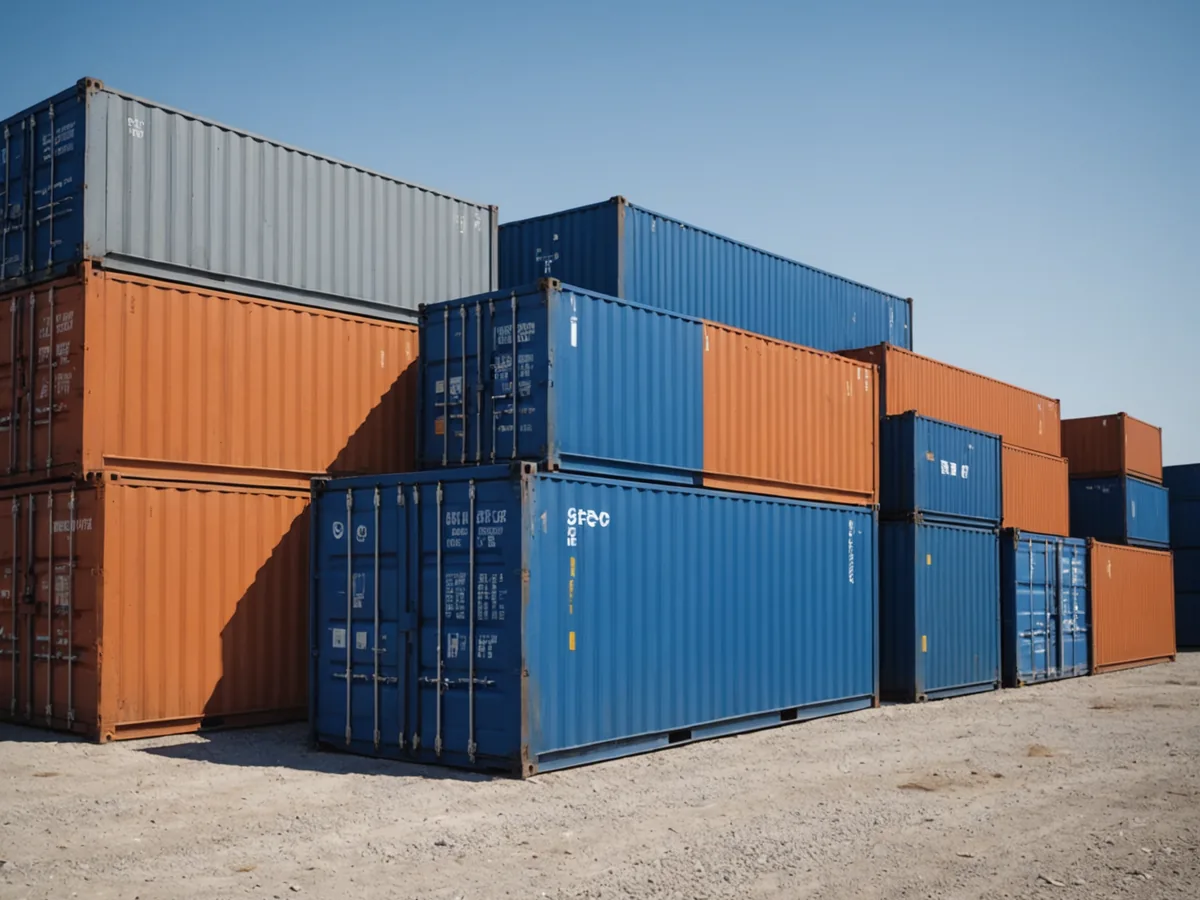
Demurrage is a charge for keeping a container inside the terminal past the carrier's free time allowance. The container has been discharged from the vessel. It is sitting in the terminal yard. You have not picked it up. Once the free time window expires (typically 2 to 5 calendar days depending on the terminal and the carrier contract), the demurrage clock starts. The carrier is charging you for using their terminal storage space.
Detention is a charge for keeping the carrier's equipment (the container itself) outside the terminal past the free time allowance. The container has been gated out. It is at your warehouse, your customer's facility, or in transit. You have not returned the empty container to the designated depot within the contractual window (typically 3 to 7 days after gate-out). The carrier is charging you for using their box.
The simplest way to keep them straight: demurrage is about the box sitting in the terminal. Detention is about the box sitting in your possession outside the terminal.
Where the Clock Starts: Different Trigger Events
This is the operationally important part. For demurrage, the clock starts from the moment the container is discharged and made available for pickup, not from when the vessel arrived, and not from when you received notification. If your port notification emails are going to a shared inbox that no one monitors actively, demurrage may have been accruing for 24 hours before anyone on the desk knows the container is ready.
For detention, the clock starts at gate-out. The moment the truck leaves the terminal with the container, you are consuming free time. If your driver picks up the container on a Friday afternoon and the weekend eats into your free time window, those days count. Some carrier contracts explicitly exclude weekends; many do not. This is a contractual detail that desks often discover only after receiving the invoice.
| Dimension | Demurrage | Detention |
|---|---|---|
| Location | Inside terminal yard | Outside terminal (your site or in transit) |
| Clock trigger | Container discharged and available for pickup | Container gated out of terminal |
| Free time typical range | 2-5 calendar days | 3-7 calendar days |
| Charged by | Carrier (via terminal) | Carrier (equipment owner) |
| Prevention lever | Faster pickup scheduling | Faster unloading and empty return |
Why the Response Strategy Is Different
Demurrage is primarily a pickup scheduling problem. When it starts accruing, the container is physically in the terminal, accessible to your transport provider. The question is: can you get a truck to the terminal within the free time window? The blockers are usually on your side: customs clearance status, warehouse readiness to receive, internal approval for transport booking, or simply a busy week at the terminal with limited truck slots. Demurrage prevention is about cutting the gap between "container available" notification and the moment your truck gates in.
Detention is a different constraint. The container is already with you or your customer. The clock is running on returning the empty box. The blockers here are: slow unloading at the destination, a customer warehouse that was not ready for delivery, a long distance from the unload point to the empty depot, or simply not tracking which containers are due for return and when. Detention prevention is about visibility into your empty return schedule, not about terminal operations at all.
The practical implication: a desk that treats both as a "port fee problem" will keep focusing on terminal pickup scheduling even when the majority of their cost is coming from slow empty returns. The two have to be tracked separately to diagnose which one is the actual driver of your invoice line items.
What Your Tracking Should Show
At minimum, a freight desk should be tracking two separate event timelines per container: the in-terminal clock (from available notification to gate-out) and the outside-terminal clock (from gate-out to empty return). Most TMS systems can log both if the data is fed in. The problem is that gate-out timestamps are often not captured automatically and rely on manual input from drivers or transport providers, which creates gaps.
When we look at the breakdown of a desk's monthly fee exposure, it is common to find that demurrage costs are concentrated around a handful of lanes with slow customs processing or restricted truck booking windows, while detention costs are distributed more broadly and driven by a small number of customer delivery points that routinely take 2 to 3 extra days to unload. Each has a different fix. The first requires earlier engagement with customs brokers and pre-arrival document preparation. The second requires a commercial conversation with the customer about unloading turnaround, or a renegotiation of free time terms with the carrier for those specific lanes.
Dispute Windows Are Also Different
Both demurrage and detention have limited dispute windows. Carriers typically allow disputes within 7 to 14 days of invoice receipt. But the evidentiary requirements differ. For demurrage disputes, you are typically challenging the "available" notification date (did you actually receive timely notification that the container was ready?) or citing port congestion as a force majeure event where the terminal itself contributed to the delay. For detention disputes, you are usually challenging the gate-out timestamp, the free time calculation method (did they count weekends?), or citing a carrier-side delivery failure that prevented your return.
The documentation you need is different in each case. For demurrage, you need arrival notification records and any correspondence about terminal access restrictions. For detention, you need gate-out receipts, delivery confirmation, and empty return receipts. Desks that aggregate both into a generic "detention fee" folder lose the ability to build a defensible dispute case for either.
We are not saying that one fee is more preventable than the other. Both are largely preventable with the right tracking. The point is that combining them into a single operational category produces confused diagnostics and ineffective prevention. If your desk has a target to reduce "detention and demurrage costs" by 20%, you need to know which one is actually driving that number before you can design a response that will work.